The Insider’s Guide to Scotland: A Curated Journey Through Castles, Highlands & Timeless Landscapes
Scotland Isn’t Just a Destination—It’s a Feeling
Some places impress you the moment you arrive. Scotland stays with you long after you’ve left.
Perhaps it’s the sight of an ancient castle emerging through the morning mist, the quiet stillness of a loch reflecting mountains that have stood unchanged for centuries, or the warmth of a crackling fire waiting inside a centuries-old inn after a day spent exploring windswept coastlines. Whatever it is, Scotland has a remarkable ability to make every journey feel both adventurous and deeply personal.
Unlike destinations built around a single iconic attraction, Scotland reveals itself gradually. Each region tells a different story. Edinburgh captivates with its medieval streets and timeless elegance. Glasgow surprises with its vibrant creative spirit. The Highlands invite travelers into landscapes that seem untouched by time, while the islands offer a slower rhythm where nature dictates the pace of everyday life.
Whether you’re dreaming of driving through Glencoe, enjoying afternoon tea beneath the grandeur of The Balmoral, tasting single malt whisky in Speyside, or watching Atlantic waves crash against the dramatic cliffs of the Isle of Skye, Scotland rewards those who travel with curiosity—and who leave room for the unexpected.
This guide is the beginning of a curated journey through one of Europe’s most captivating destinations. Throughout The Golden Age Experiences Insider’s Guide to Scotland, we’ll explore not only where to go, but how to experience the country in a way that feels authentic, unhurried, and unforgettable.
Why Scotland Leaves a Lasting Impression
Few destinations combine dramatic landscapes, rich history, refined hospitality, and extraordinary cultural heritage as naturally as Scotland.
Within a relatively compact country, you’ll discover cosmopolitan cities, remote mountain glens, picturesque fishing villages, centuries-old castles, world-famous golf courses, award-winning restaurants, and more than 150 whisky distilleries. Yet Scotland never feels overwhelming. Instead, every winding road, every quiet village, and every stretch of rugged coastline encourages travelers to slow down and appreciate the journey itself.
It’s also a destination where the most memorable experiences are often unplanned. A scenic detour becomes your favorite photograph. A small café in a Highland village serves the best meal of the trip. An unexpected break in the clouds transforms an already beautiful landscape into something unforgettable.
Even Scotland’s famously unpredictable weather contributes to its character. Mist drifting through the mountains, golden evening light illuminating ancient castles, or dramatic skies rolling across the Highlands create scenes that seem to change by the hour.
Luxury here isn’t always defined by grandeur. More often, it’s found in privacy, authenticity, exceptional hospitality, and the privilege of experiencing extraordinary places without rushing from one attraction to the next.
Scotland doesn’t ask you to see everything. It simply invites you to experience it well.
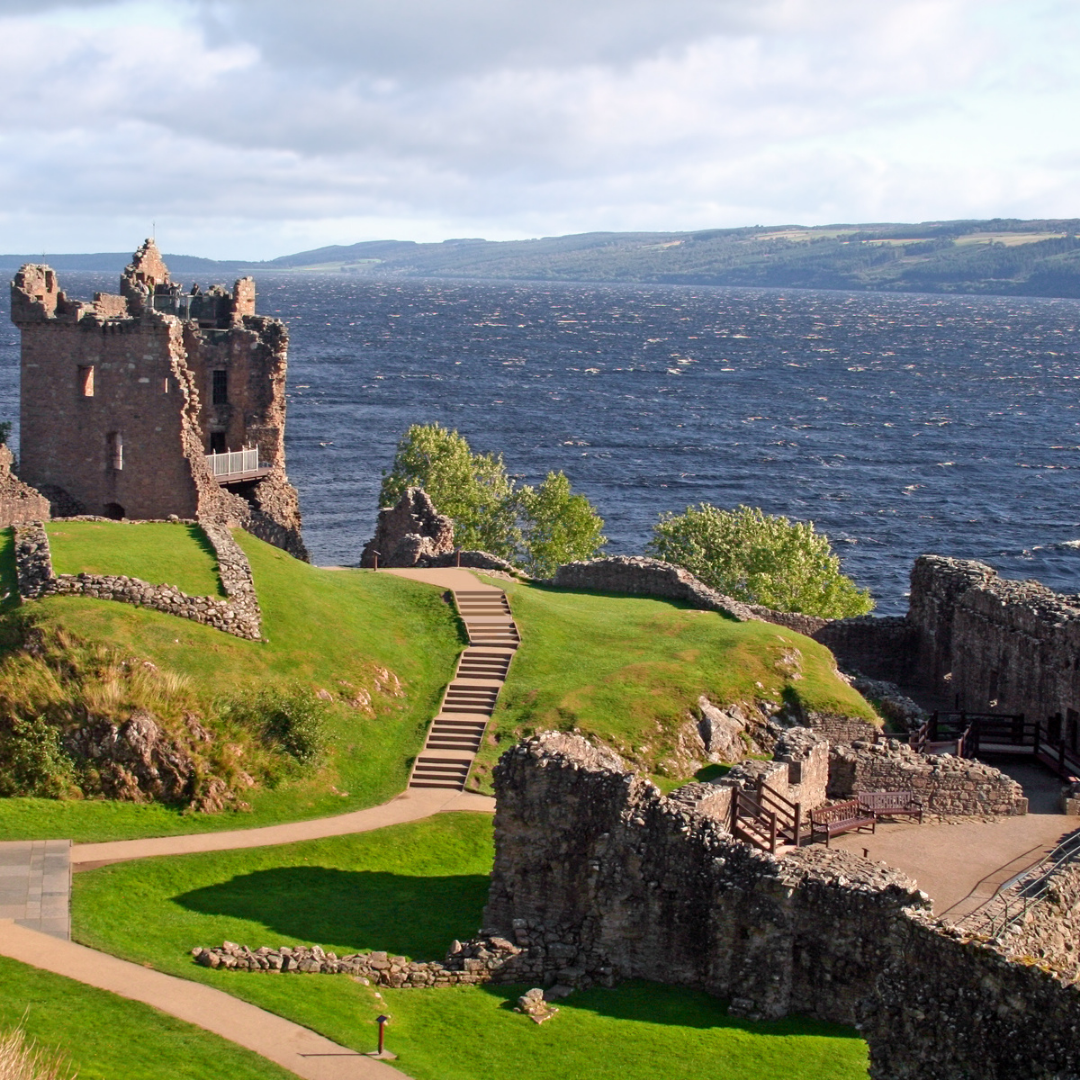
One of Scotland’s greatest luxuries is its sense of space. Stand beside a quiet loch as the morning mist slowly lifts from the water, watch the sun disappear behind the rugged coastline of Skye, or simply pause on a winding Highland road where there isn’t another car in sight. These quiet moments often become the memories travelers treasure most.
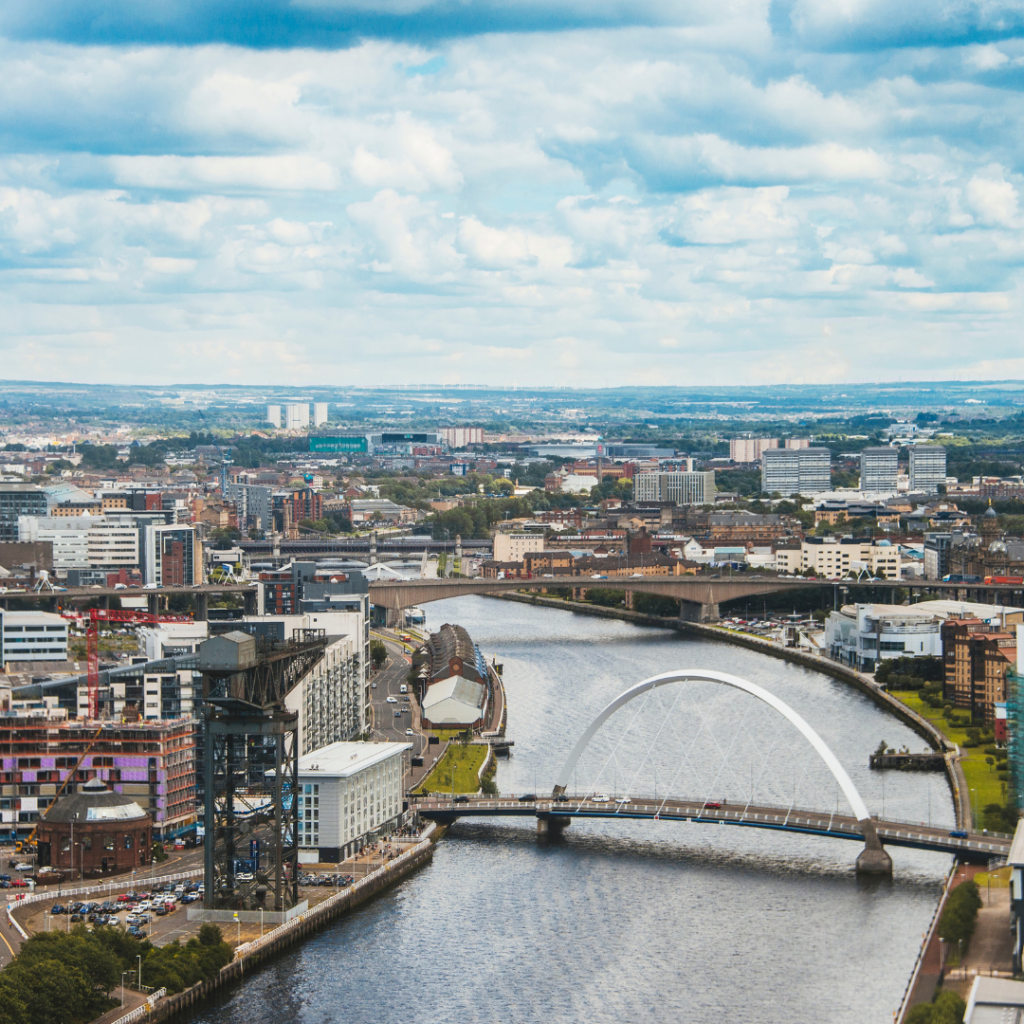
Glasgow: Scotland’s Creative Soul
While Edinburgh tells Scotland’s royal and medieval story, Glasgow reveals its modern soul. Often overshadowed by the capital, Scotland’s largest city rewards travelers willing to look beyond the obvious. Once known for its shipbuilding and industrial power, Glasgow has reinvented itself as one of the United Kingdom’s most vibrant cultural destinations, where Victorian architecture, contemporary design, music, and gastronomy come together with remarkable authenticity. Unlike Edinburgh, Glasgow doesn’t rely on postcard-perfect landmarks to win you over. Its appeal lies in its energy, its creativity, and—perhaps above all—in its people. Friendly, welcoming, and famously quick-witted, Glaswegians have earned a reputation for making visitors feel less like tourists and more like old friends.
The city’s neighborhoods each have their own distinct personality. The elegant West End invites leisurely afternoons spent browsing independent bookstores, artisan bakeries, and leafy streets lined with impressive sandstone townhouses. Merchant City blends history with cosmopolitan flair through stylish restaurants, boutique hotels, and lively squares, while Finnieston has become one of Scotland’s culinary hotspots, attracting both celebrated chefs and innovative cocktail bars. Glasgow also embraces art in all its forms. World-class museums, contemporary galleries, and a thriving live music scene ensure there’s always something new to discover, whether you’re attending a concert in a historic venue or admiring the architectural legacy of Charles Rennie Mackintosh, Scotland’s most celebrated designer.
Above all, Glasgow feels genuine. It isn’t trying to impress—it simply invites you to experience Scotland as locals do.
Worth the Journey
Spend one evening enjoying live music in a traditional pub or an intimate concert venue. Music has long been woven into Glasgow’s identity, and few experiences capture the city’s warmth more naturally than sharing a room with locals singing along to familiar tunes.
Insider Tip
If time allows, split your stay between Edinburgh and Glasgow instead of choosing one over the other. Together, they offer two completely different perspectives on Scotland—one shaped by centuries of history, the other by creativity, innovation, and contemporary culture.
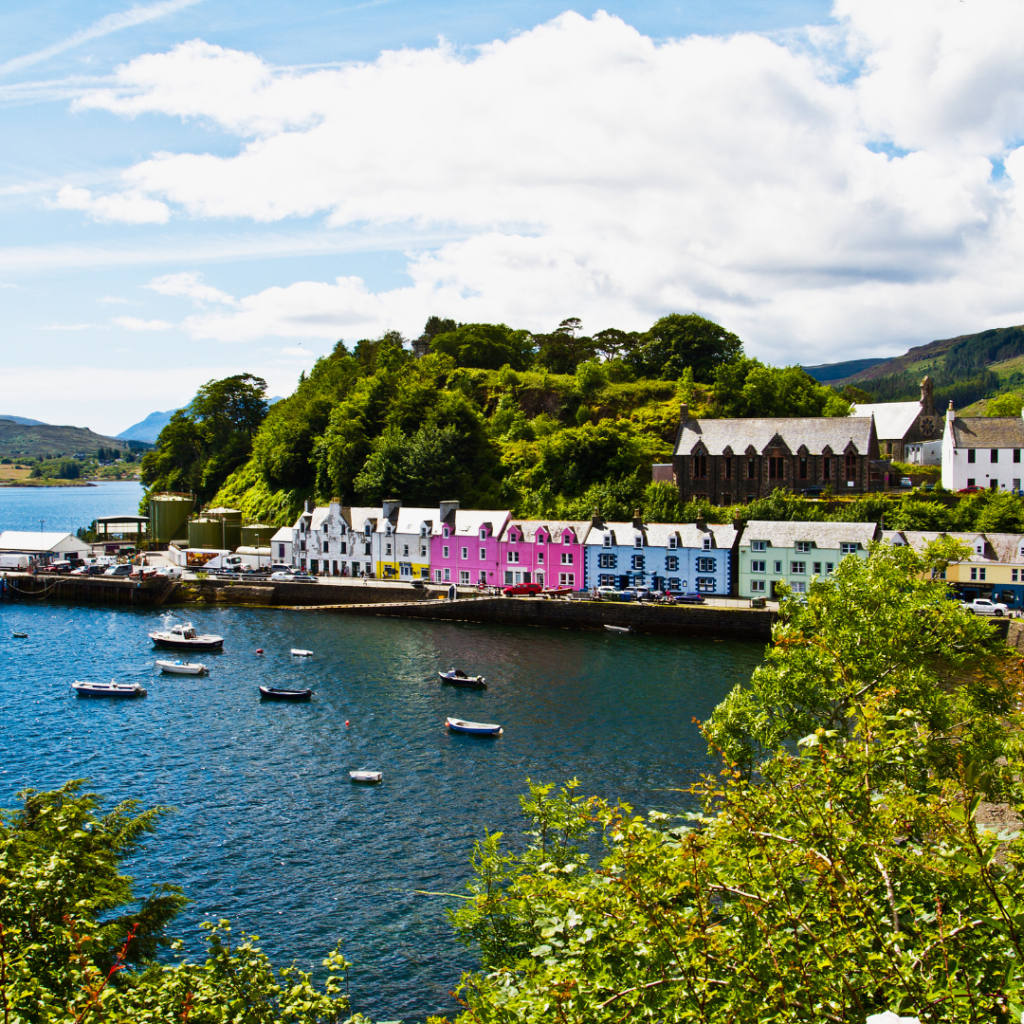
Scotland’s Islands: Where Time Moves Differently
Scotland’s islands feel like destinations within a destination.
Scattered across the Atlantic and North Sea, each island offers its own traditions, landscapes, and pace of life. Some are connected to the mainland by bridges, while others require a ferry crossing that feels like the beginning of an entirely new adventure.
Among them, the Isle of Skye has become Scotland’s most celebrated island—and for good reason.
Jagged mountain ridges, dramatic sea cliffs, crystal-clear pools, and winding single-track roads create landscapes that seem almost mythical. Visitors often arrive hoping to see iconic landmarks such as the Old Man of Storr, the Quiraing, or the Fairy Pools, yet many leave remembering quieter moments: a family-run inn overlooking the sea, sheep grazing freely along the roadside, or the changing light that transforms the island hour by hour.
For those willing to venture farther, Scotland’s lesser-known islands reveal another side of the country.
The Outer Hebrides surprise visitors with white-sand beaches and turquoise waters that seem more Caribbean than northern Europe. On Islay, the unmistakable aroma of peat smoke drifts from world-famous whisky distilleries, while the Orkney Islands preserve archaeological treasures that predate Stonehenge by thousands of years. These islands aren’t simply places to visit. They’re places to disconnect.
Worth the Detour
If your itinerary allows, dedicate at least two nights to one of Scotland’s islands. Whether you choose Skye, Islay, Mull, or the Outer Hebrides, you’ll experience a quieter Scotland where nature, tradition, and local hospitality shape every day.

Luxury, the Scottish Way
Luxury in Scotland rarely announces itself through extravagance. Instead, it reveals itself quietly. It may be waking in a beautifully restored castle surrounded by centuries-old woodland, enjoying a private whisky tasting inside a historic distillery, watching deer graze across the Highlands from the comfort of a country estate, or ending the day beside a roaring fireplace after exploring dramatic coastal landscapes.
Here, luxury isn’t about excess. It’s about authenticity. It’s the privilege of having time to linger over breakfast with mountain views, discovering hidden places few travelers reach, and staying in properties where every detail reflects the country’s heritage and sense of place. From elegant city hotels to secluded Highland lodges and historic castles transformed into exceptional accommodations, Scotland offers a style of luxury that feels deeply connected to its landscapes and traditions.
In Scotland’s Most Remarkable Luxury Hotels, we’ll explore the properties that best capture this philosophy, helping you choose stays that become unforgettable parts of the journey—not simply places to sleep.
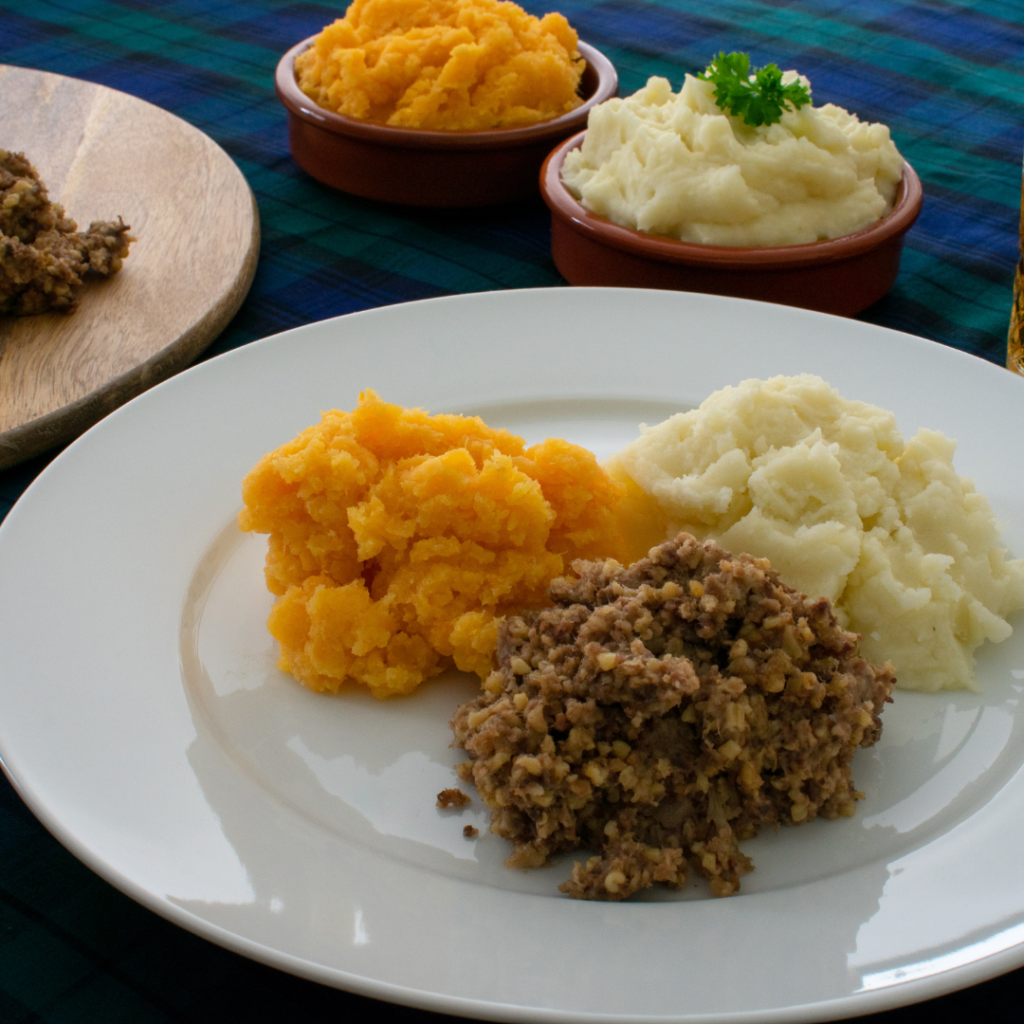
A Taste of Scotland
To truly understand Scotland, you must experience it through its food and drink.
The country’s culinary identity is deeply connected to its landscapes. Cold Atlantic waters provide exceptional seafood, fertile farmland produces outstanding beef and lamb, and generations of artisans continue traditions that celebrate local ingredients rather than elaborate techniques.
Fresh oysters from the west coast, hand-dived scallops, smoked salmon, and langoustines regularly appear on menus throughout the country, often prepared with remarkable simplicity to let their natural flavors shine.
No visit would be complete without discovering Scotland’s whisky heritage. From the smoky expressions of Islay to the smooth single malts of Speyside, each region tells a different story through its distilleries. Even travelers who don’t consider themselves whisky enthusiasts often leave with a newfound appreciation after visiting a traditional distillery and learning about the craftsmanship behind every bottle.
Afternoon tea remains another beloved Scottish ritual, particularly in Edinburgh’s historic hotels, where elegant salons invite guests to slow down over delicate pastries, freshly baked scones, and locally sourced teas. While traditional dishes such as haggis and Cullen Skink are certainly worth trying, Scotland’s contemporary dining scene has evolved into one of Europe’s most exciting culinary destinations, blending innovation with a profound respect for local traditions. Food here isn’t simply nourishment. It’s another way of discovering the country’s history, culture, and remarkable sense of place.
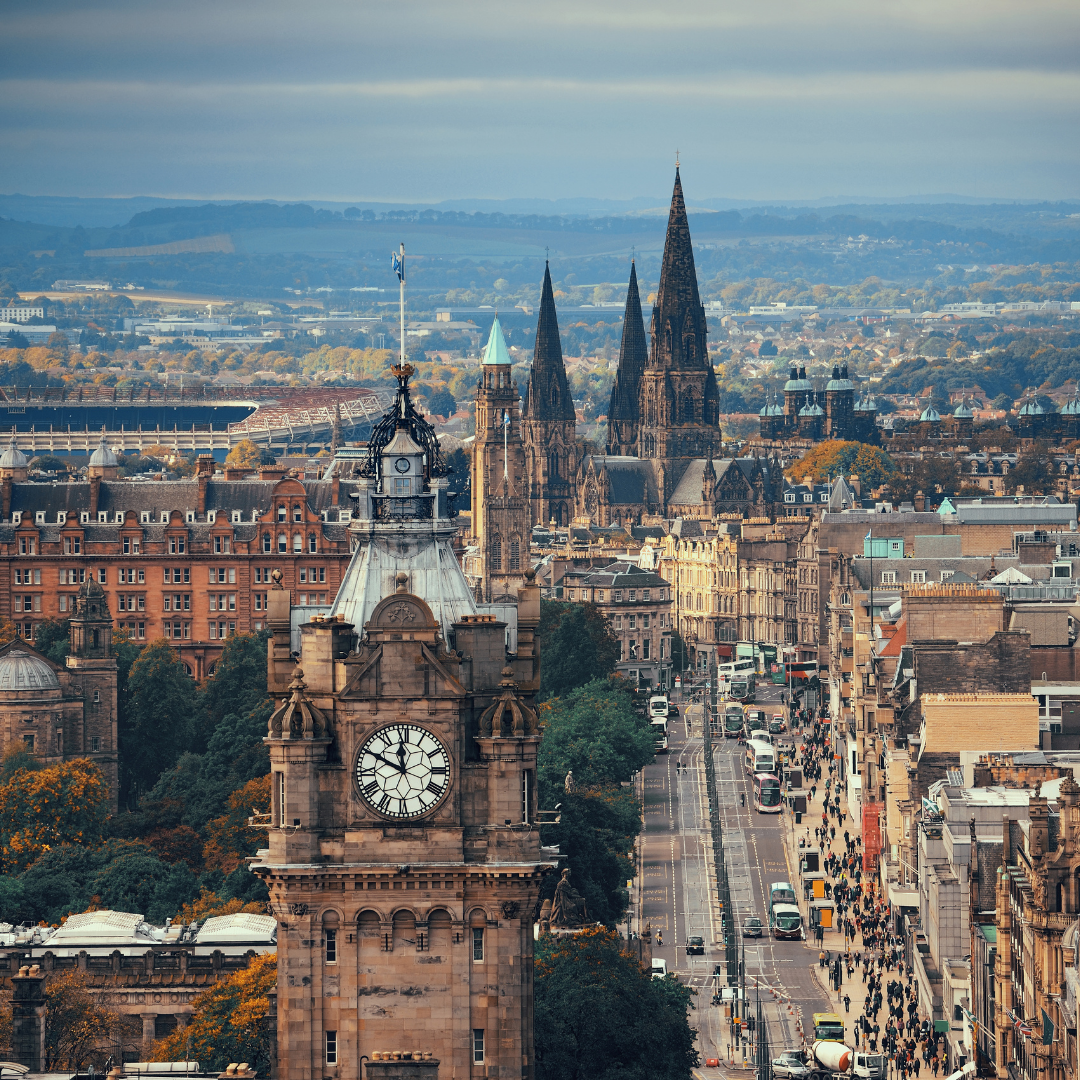
Edinburgh: Where Scotland’s Story Begins
For many travelers, Edinburgh is their first introduction to Scotland—and few cities make a more unforgettable first impression.
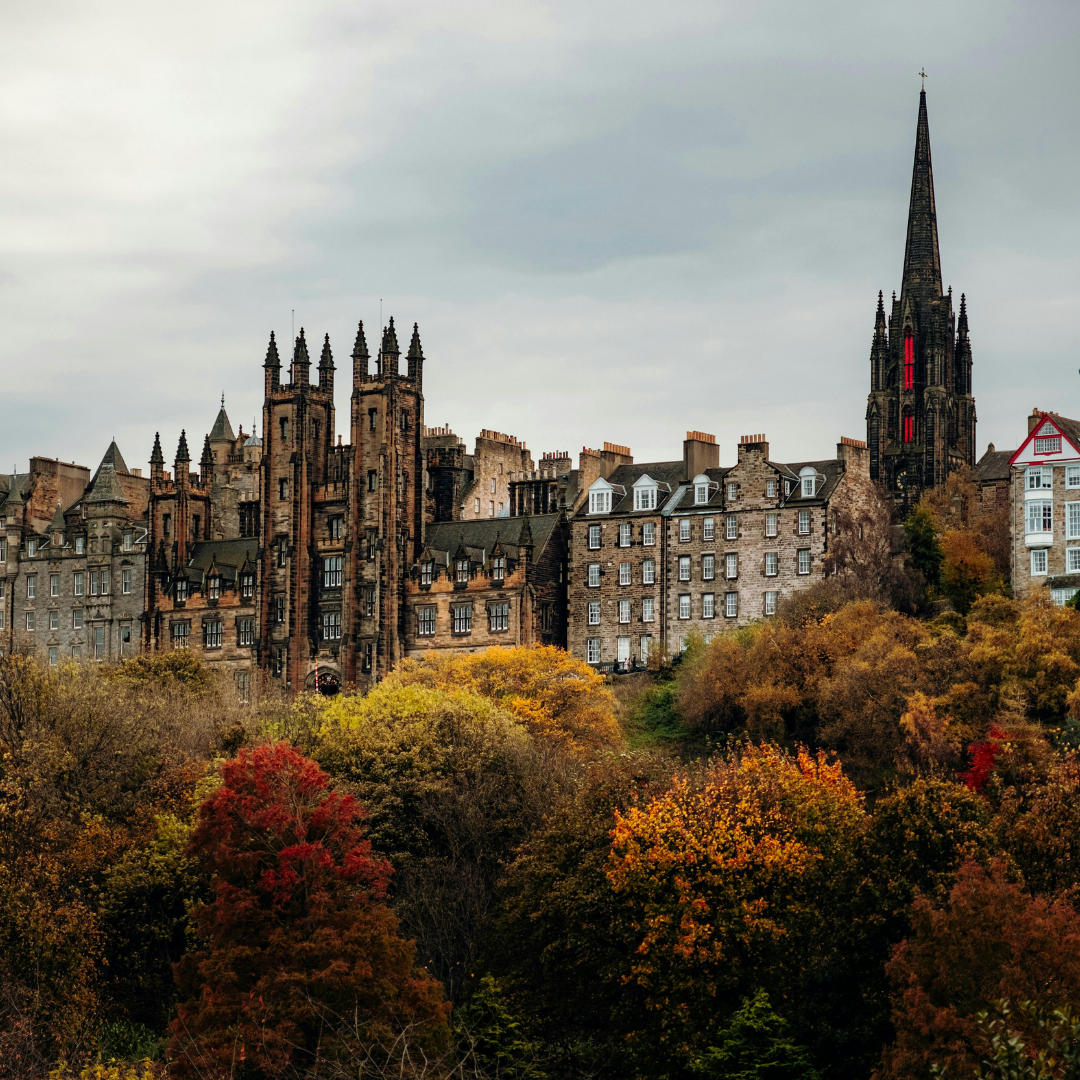
Built across a series of ancient volcanic hills, the Scottish capital blends medieval history with Georgian elegance in a way few European cities can match. Towering above the skyline, Edinburgh Castle has watched over the city for centuries, while the Royal Mile stretches downhill through narrow closes, hidden courtyards, and historic buildings toward the Palace of Holyroodhouse.
It’s easy to spend hours wandering without a destination. Around every corner, you’ll find independent bookshops, charming cafés, centuries-old pubs, and quiet alleyways that reveal another layer of the city’s rich past.
Yet Edinburgh isn’t defined solely by its history.
Beyond the cobbled streets of the Old Town lies the graceful symmetry of the New Town, where elegant Georgian architecture houses luxury boutiques, stylish cocktail bars, acclaimed restaurants, and beautifully restored townhouses. Nearby neighborhoods such as Stockbridge offer a slower, more residential atmosphere, while Leith has evolved into one of Scotland’s most exciting culinary destinations, attracting food lovers with innovative restaurants and a revitalized waterfront.
Whether you’re climbing Arthur’s Seat for sweeping views across the city, exploring world-class museums, enjoying a traditional afternoon tea, or simply watching daily life unfold from a café terrace, Edinburgh rewards those who take the time to wander. Rather than trying to check every landmark off an itinerary, allow yourself to get pleasantly lost. Some of Edinburgh’s greatest discoveries happen between the attractions.
Insider Tip
Wake up early at least once during your stay. Walking the Royal Mile before the city comes to life offers an entirely different perspective. The cobblestone streets are quiet, the morning light casts a golden glow across centuries-old stone buildings, and for a brief moment, it feels as though Edinburgh belongs only to you.
Where We’d Stay
If you’re visiting Edinburgh for the first time, The Balmoral remains one of our favorite addresses. Perfectly positioned between the Old and New Towns, it combines timeless Scottish elegance with impeccable service, making it an ideal base for exploring the city on foot.
Travelers seeking a more contemporary atmosphere may prefer Gleneagles Townhouse, where the sophistication of a private members’ club meets the warmth of Scottish hospitality in the heart of the city.
We’ll explore these and other exceptional properties in Scotland’s Most Remarkable Luxury Hotels, another chapter in this collection.
A Taste of Edinburgh
Scotland’s culinary reputation has evolved dramatically over the past two decades, and Edinburgh sits at the heart of that transformation.
Traditional dishes such as haggis, Cullen Skink, and freshly caught Scottish seafood remain essential introductions to local cuisine, but the city’s dining scene extends far beyond its culinary heritage. Michelin-starred restaurants celebrate Scotland’s exceptional seasonal ingredients with creativity and precision, while elegant afternoon teas and intimate whisky bars continue to honor longstanding traditions.
Dining in Edinburgh isn’t simply about enjoying an excellent meal.
It’s another way of understanding Scotland’s landscapes, history, and culture—one carefully prepared plate at a time.
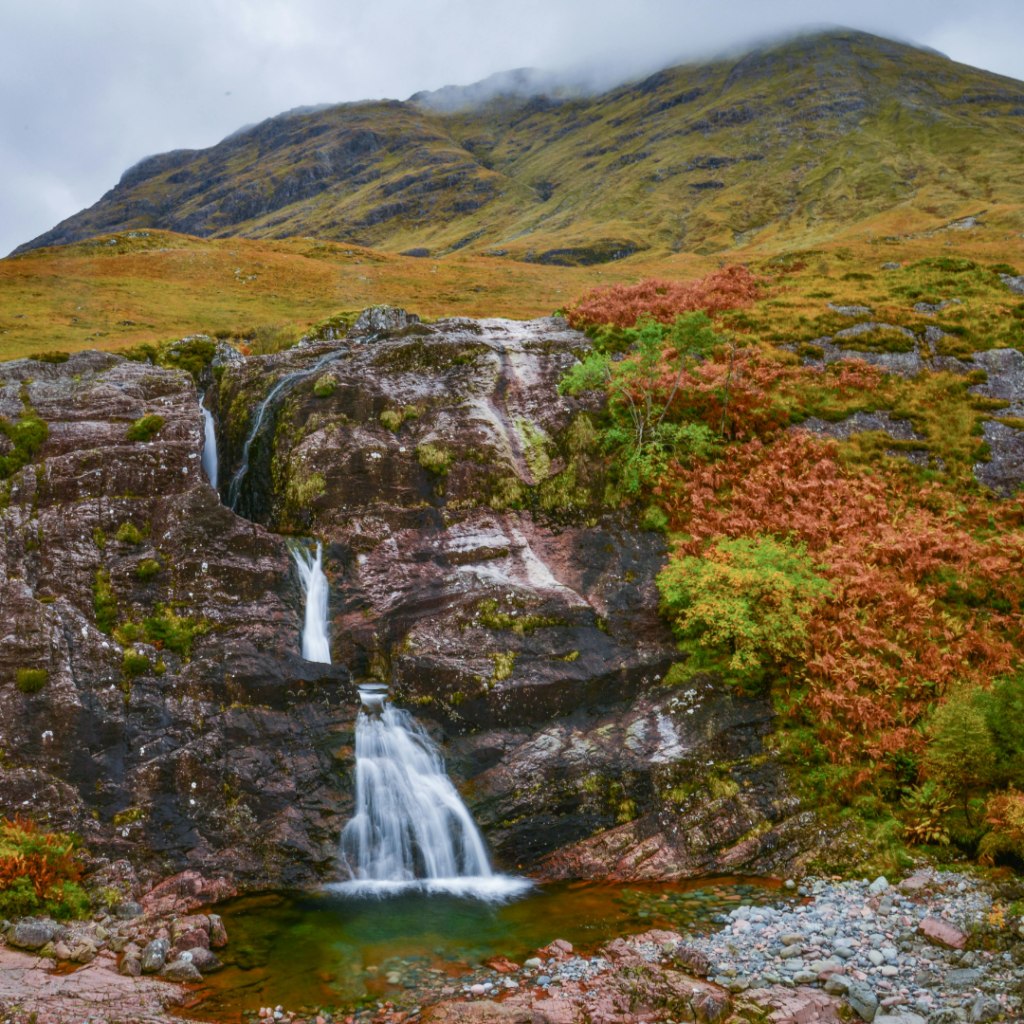
Beyond the Cities: Where Scotland Truly Begins
As captivating as Edinburgh and Glasgow are, Scotland’s greatest treasure lies beyond its cities.
Leave the urban skyline behind, and the scenery begins to transform almost immediately. Roads become quieter, villages smaller, and the landscape dramatically more expansive. Heather-covered hills stretch toward the horizon, waterfalls tumble down rugged mountainsides, and tranquil lochs mirror skies that seem impossibly vast.
This is the Scotland many travelers dream of.
The Highlands are more than a geographical region—they are the emotional heart of the country. Here, every winding road feels like an invitation to slow down, breathe deeply, and reconnect with nature.
Driving through Glencoe, it’s impossible not to be humbled by the scale of the landscape. Towering peaks rise dramatically from the valley floor, while centuries of history echo through one of Scotland’s most iconic glens. Further north, the Cairngorms National Park reveals ancient forests, wildlife, and some of Britain’s most spectacular mountain scenery.
Loch Ness may be famous for its legendary resident, but its true beauty lies in its quiet waters framed by rolling hills and the evocative ruins of Urquhart Castle. Elsewhere, hidden lochs, remote glens, and tiny Highland villages offer moments of solitude that have become increasingly rare in modern travel.
The Highlands aren’t a place to rush through. They’re a place to experience.
Slow Travel Moment
One of the most common mistakes travelers make is trying to “see” the Highlands in a single day. Instead, stay for at least two or three nights. Wake up early to watch the mist rise above a quiet loch, enjoy breakfast overlooking the mountains, take an unhurried walk through the countryside, and allow Scotland’s ever-changing weather to reshape the landscape throughout the day. The Highlands reward those who travel slowly.
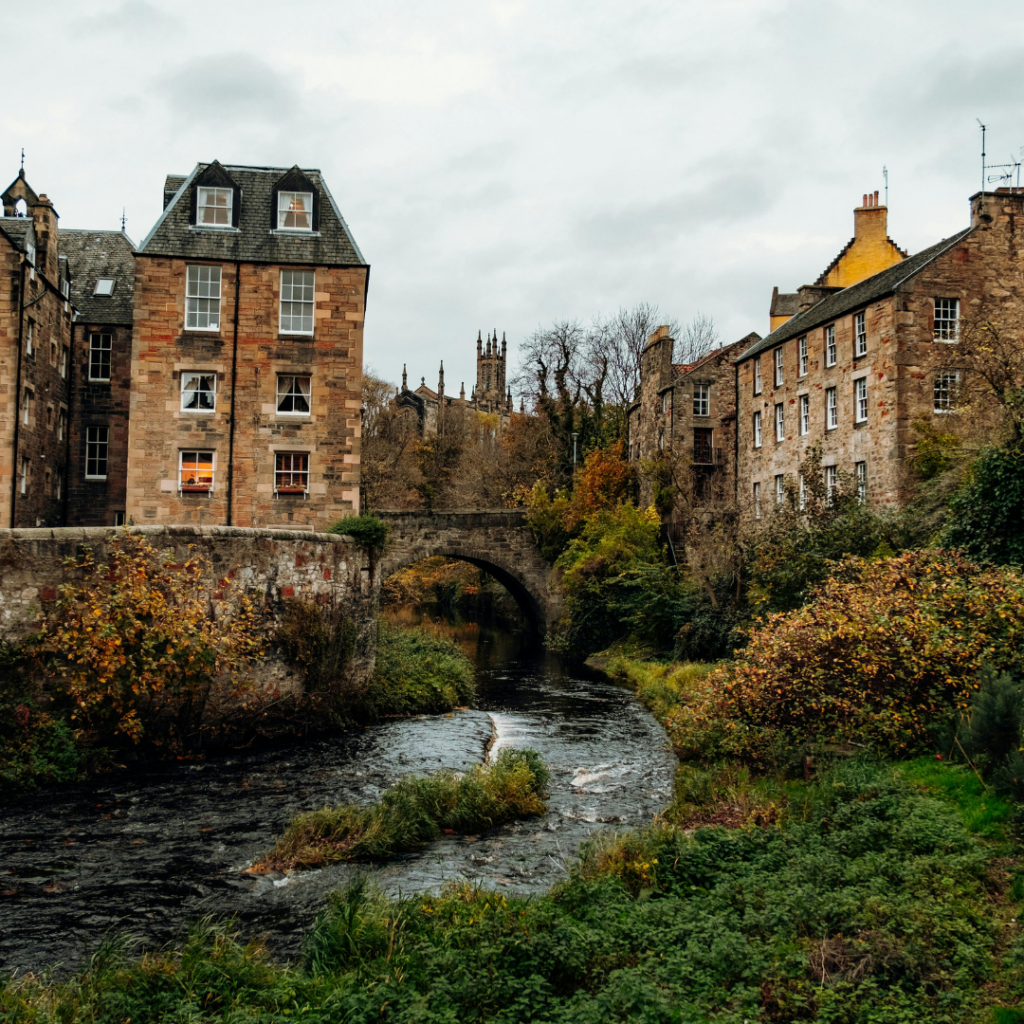
Scotland Through the Seasons
One of Scotland’s greatest gifts is that no two visits ever feel quite the same.
Each season brings a different atmosphere, transforming familiar landscapes into entirely new experiences.
Spring awakens the countryside with blooming gardens, vibrant woodlands, and quieter streets in cities like Edinburgh and Glasgow. It’s an ideal time for travelers seeking mild temperatures, fewer crowds, and landscapes bursting with fresh color.
Summer brings exceptionally long daylight hours, particularly in the Highlands, where the sun lingers late into the evening. These extended days make it the perfect season for scenic road trips, island hopping, and exploring Scotland’s spectacular national parks at a relaxed pace.
Autumn paints the Highlands in shades of amber, copper, and crimson. Forests glow with color, the air turns crisp, and photographers find endless inspiration in the changing light. It’s also one of the most rewarding seasons for travelers who appreciate peaceful landscapes and cozy evenings beside a fireplace.
Winter reveals a quieter side of Scotland. Historic cities sparkle with festive markets, castle hotels become wonderfully atmospheric, and snow-dusted mountains create some of the country’s most dramatic scenery. While daylight is shorter, the sense of warmth and hospitality feels stronger than ever.
There is no single “best” time to visit Scotland.
The perfect season depends entirely on the kind of journey you hope to experience.
At a Glance
Spring (March–May)
Best for gardens, castles, and fewer visitors.
Summer (June–August)
Ideal for road trips, hiking, festivals, and exploring the islands.
Autumn (September–November)
Perfect for photography, whisky distilleries, and Highland landscapes.
Winter (December–February)
Best for cozy escapes, festive celebrations, and luxury countryside retreats.
Planning Your Journey
Scotland rewards travelers who resist the temptation to see everything at once. Rather than racing from landmark to landmark, allow yourself the freedom to slow down. Spend more time in fewer places, take the scenic route whenever possible, and leave room in your itinerary for unexpected discoveries. For a first visit, eight to ten days provides an excellent introduction to the country, allowing time to experience both its vibrant cities and its extraordinary natural landscapes. Travelers with two weeks or more can venture farther north, explore the islands, or enjoy a more leisurely pace throughout the Highlands.
Renting a car remains the best way to discover Scotland beyond its major cities. Some of the country’s most unforgettable experiences happen along quiet country roads where the journey itself becomes part of the adventure. Whether you’re planning a romantic escape, a family holiday, or a once-in-a-lifetime celebration, thoughtful planning allows you to experience Scotland not as a checklist of attractions, but as a collection of meaningful moments.
Why Scotland Calls You Back
Some destinations are visited once. Scotland is rarely one of them.
There is always another glen waiting beyond the next hill, another island shaped by the sea, another castle whose history stretches back centuries, another village where time seems to move just a little more slowly.
Perhaps that’s what makes Scotland unforgettable. It never feels finished.
Long after you’ve returned home, you’ll remember the scent of rain on ancient stone, the silence of the Highlands, the warmth of a neighborhood pub, and the endless shades of green that seemed to change with every passing cloud. You’ll remember conversations with locals whose hospitality felt effortless, landscapes that appeared almost untouched by time, and quiet moments that no photograph could fully capture.
Scotland doesn’t ask for your attention. It quietly earns it. And once you’ve experienced it, you’ll understand why so many travelers return—not to repeat the same journey, but to discover another chapter of the same remarkable story.